Ver todos los artículos

Sony’s Cinema Line has established itself as a benchmark for filmmakers and content creators seeking cinematic quality combined with versatility. The Sony FX3, FX6, and FX9 cameras are three options with advanced features that cater to different production needs. Below, we explore the key differences between these models to help you decide which is the best choice for your next project.
-
Product on sale
 Sony ILME-FX3Starting at: 56,25€
 -
Product on sale
 Sony ILME-FX6Starting at: 78,75€
 -
Product on saleSony PXW-FX9Starting at: 116,25€


1. Sensors: Image Quality and Dynamic Range
The sensor is one of the most important factors in any cinema camera, and in this regard, the FX series has a lot to offer.
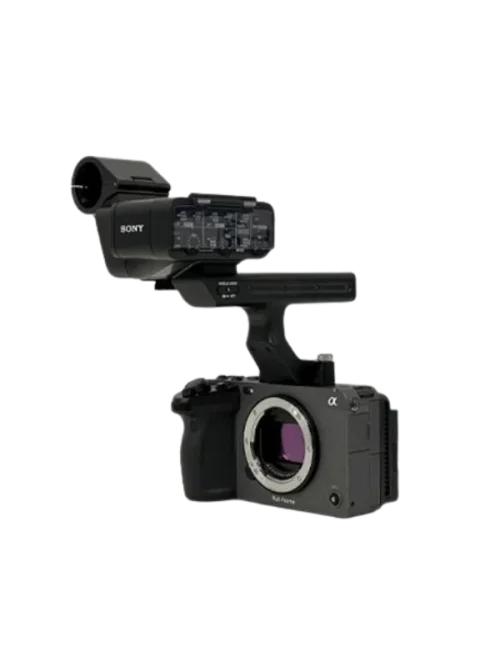
– Sony FX3: Equipped with a 4K full-frame sensor, the FX3 is designed to capture images with high sensitivity in low-light conditions. This makes it an excellent choice for indoor shoots or variable lighting situations.
– Sony FX6: It also utilizes a 4K full-frame sensor, with features similar to the FX3 but with more color capabilities and frame rate options. This makes it ideal for those who need production versatility and image quality that supports different color grading styles in post-production.
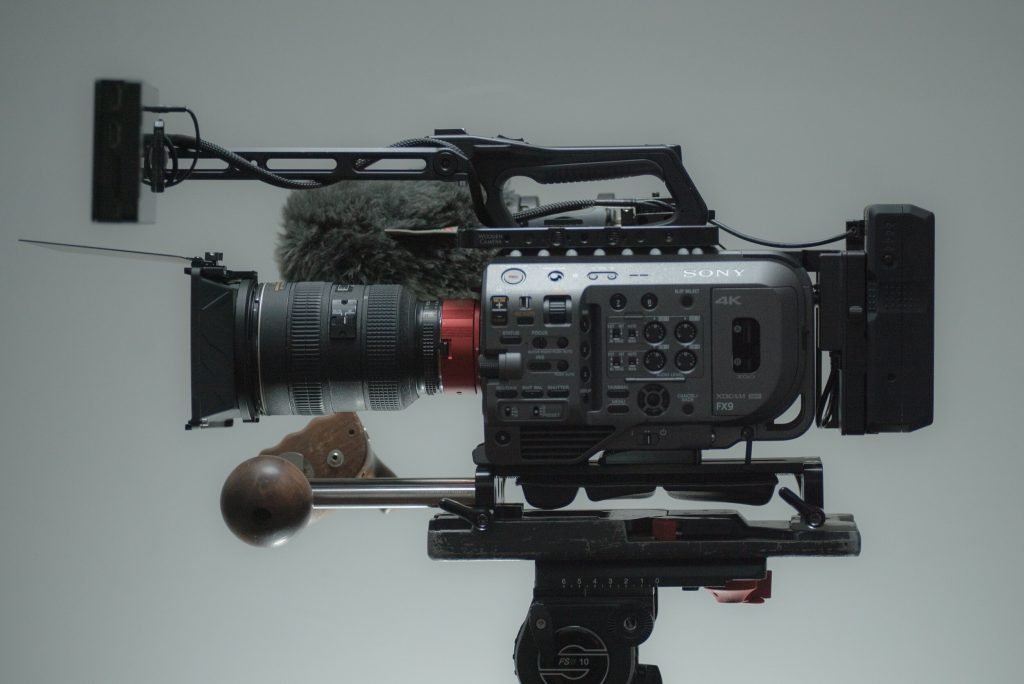
– Sony FX9: The FX9 stands out with its 6K sensor, providing superior image quality and impressive dynamic range, which is especially useful in high-budget productions that demand a higher level of detail and extra flexibility during editing.
2. Integrated ND Filters: Exposure in All Conditions
ND filters are indispensable for managing exposure without the need to modify camera settings.
– Sony FX3: It does not feature integrated ND filters, which can be a limitation in bright light environments. However, it is possible to use external ND filters for lenses or a matte box.
– Sony FX6 and FX9: Both cameras have built-in variable ND filters, which is an advantage in productions requiring quick exposure adjustments, especially outdoors. Variable ND filters allow for precise control over light without needing to stop recording.
3. Batteries: Autonomy for Long Recordings
Battery life is essential for extensive recordings, and Sony has adapted each model to meet different portability and autonomy needs.
– Sony FX3: Uses the NP-FZ100 battery, which is light and compact, but with less autonomy. This option is ideal for those who prioritize portability over duration, perfect for handheld filming or lightweight setups.
– Sony FX6: Compatible with **BP-U** series batteries, with the **BP-U60** model being one of the most recommended. It offers a balanced duration, suitable for medium-length recording sessions with good portability.
– Sony FX9: Uses the higher-capacity BP-U90 battery, ideal for extensive recording days where changing batteries frequently is not an option. This camera is designed for film productions where duration and reliability are priorities.
4. Audio Quality and Sound Connectivity
Good sound quality is fundamental in professional productions, and the audio options on these cameras allow for different configurations depending on the type of shoot.
– Sony FX3: Although it does not have integrated XLR inputs, professional audio quality can be achieved using the **XLR-K3M** adapter, which connects to the multi-interface shoe. This accessory allows for the connection of XLR microphones and offers advanced audio control, though it involves an additional accessory.
– Sony FX6 and FX9: These cameras come with two XLR inputs on their detachable handles, allowing for a direct connection to professional microphones without the need for additional adapters. The XLR inputs also offer phantom power for condenser microphones, which is ideal for film or documentary shoots where direct sound is crucial.
Sony FX Series
Which Camera is Best for You?
– Sony FX3: Ideal for videographers or independent filmmakers looking for a compact and lightweight camera with excellent low-light performance. Perfect for lightweight recording setups or situations where portability is key. If you are interested in this camera, we discuss more about the FX3 specifications in this post.
– Sony FX6: An intermediate option with recording versatility and advanced image quality, ideal for mid-level productions or content creators who need more exposure and color control options.
– Sony FX9: The choice for filmmakers who require the highest level of detail and professional audio capability. Its 6K sensor and high-capacity battery make it the best option for film productions and high-budget projects. Additionally, we recently did a Sony PXW-FX9 vs Sony PXW-FS7 comparison. We highly recommend it!
Each camera in Sony’s Cinema Line is designed to meet different needs, from lightweight productions to high-level cinematic projects. We hope this comparison has helped you find the perfect camera for your next production!