Ver todos los artículos
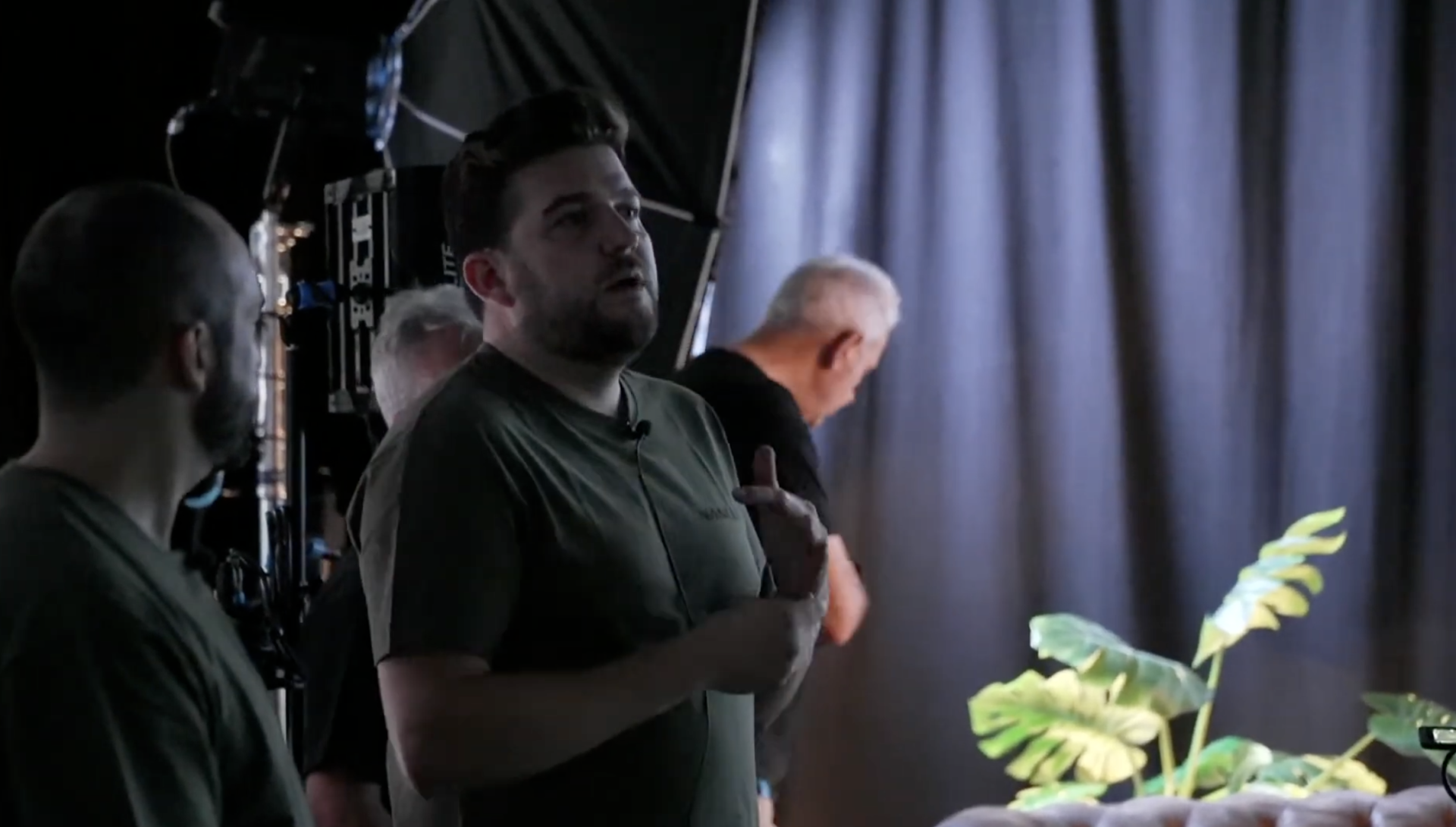
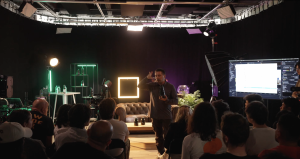
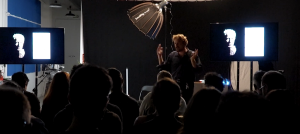
On October 3, 2024, we held a Workshop with Canon and Nanlux at Avisual Pro Madrid, where we explored the new Canon C80 and C400 and the power of Nanlux Evoke lighting. It was an inspiring day full of learning!
Workshop Summary
Introduction
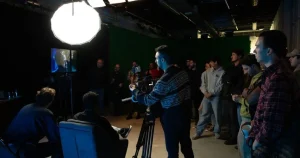
The event was a practical lighting and camera workshop organized by AVisual PRO and streamed live on YouTube, with the collaboration of Nanlux and Canon.
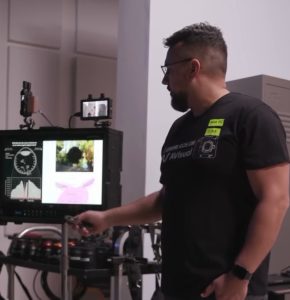
Led by Jaime Martínez, a film and video specialist for Canon Spain and Portugal, alongside gaffer Juan Quevedo, the workshop demonstrated how to apply the latest camera and lighting tools in real shoots, combining theory and live demonstrations.
Workshop Objective
To present and demonstrate the operation of:
- New Canon C80 and C400 cameras
- New Nanlux lights (Evoke 900, 2400, 10000, etc.)
- Practical applications in real shoots, demonstrating how to solve lighting problems in different situations.
Canon C80 and C400 Cameras
- The C80 is the direct evolution of the C70:
- Similar body but with SDI output, 6K full-frame sensor, RAW recording, and Canon Log 2/3 compatibility.
- Ideal for professional productions due to its new SDI output and IP integration.
- Similar body but with SDI output, 6K full-frame sensor, RAW recording, and Canon Log 2/3 compatibility.
- The C400 is also full-frame and supports high-end workflows.
- Both cameras offer triple ISO and a wide dynamic range.
Nanlux Lighting
- The Evoke 900, 1200, 2400, and 10000 lights were showcased, highlighting their power, color rendering (CRI 98), and versatility.
- The evolution of LED was discussed, from the old Nanguang panels to the new generation of powerful and precise lights.
- The Nanlink mobile app was used to control lights, scenes, and dimming via Bluetooth.
Practical Demonstration
Jaime and Juan performed live exercises:
- Natural light simulation (window, backlight, fill with reflector).
- Use of diffusion fabrics, softboxes, Fresnels, and flags to modify light hardness and direction.
- Comparison between hard light (Evoke 2400) and soft light (softbox).
- Importance of the reflector as a natural secondary light source.
- How to control the background with the camera’s waveform and false color.
- Exposure adjustments using ND filters, Canon Log 2, and RAW recording.
- Discussion on when to leave the background blown out or with detail depending on the style (documentary, corporate, advertising).
Key Concepts
- Exposure and dynamic range: leveraging maximum light information without blowing out highlights.
- Light justification: making every light source appear to make sense within the scene (from a window, sun, lamp, etc.).
- Negative light: using black surfaces to shape the face or control contrasts.
Democratization of cinema: today, professional cameras and lights are accessible to more creators.
Questions and Answers
What features stand out in the Canon C80?
- Direct evolution of the C70, with a compact body.
- 6K Full-Frame Sensor and RAW recording.
- SDI output and IP integration for remote control and transmission.
- Compatible with Canon Log 2/3.
- Ideal for professional productions requiring versatility and mobility.
What differentiates the Canon C400 from the C80?
- Also Full-Frame, with the same sensor and processor as the C80.
- Designed for high-end workflows and larger projects.
- More robust body and additional storage options for complex productions.
- Both cameras share triple ISO and wide dynamic range.
Which lights were presented and what advantages do they offer?
- Nanlux Evoke 900, 1200, 2400, and 10000 models.
- High power and color rendering (CRI 98).
- Versatile: bicolor, RGB, dimmable, and controllable via Nanlink app via Bluetooth.
- Capable of simulating hard or soft light, with modifiers like softboxes, Fresnels, or flags.
How were these tools applied in the workshop?
- Simulation of natural light: backlight, window, and fill with a reflector.
- Exposure and dynamic range control using ND filters, Canon Log 2, and RAW recording.
- Light modification with diffusers, softboxes, and fabrics to change hardness and direction.
- Use of waveform and false color to control backgrounds and skin tones.
What philosophy of use was highlighted for these cameras and lights?
- Each tool is an extension of the creative process, not an end in itself.
- Light must make sense within the scene and justify its narrative existence.
- The democratization of cinema allows professional cameras and lights to be accessible to more creators