Ver todos los artículos
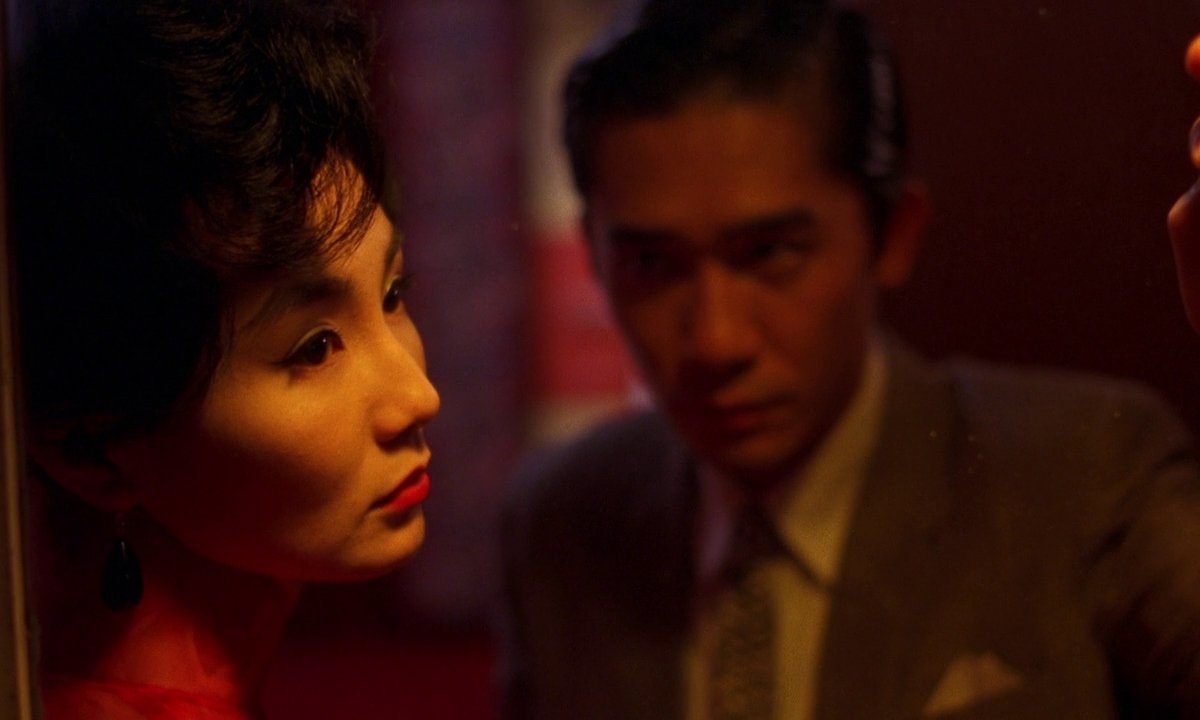
In the world of cinema, focal lengths are crucial tools for visual storytelling, as they have the ability to directly influence how characters, spaces, and emotions are perceived. Below, we explore the three most common focal lengths in cinema, their characteristics, and some examples of films that have used them.
35mm: The Natural Vision of the World
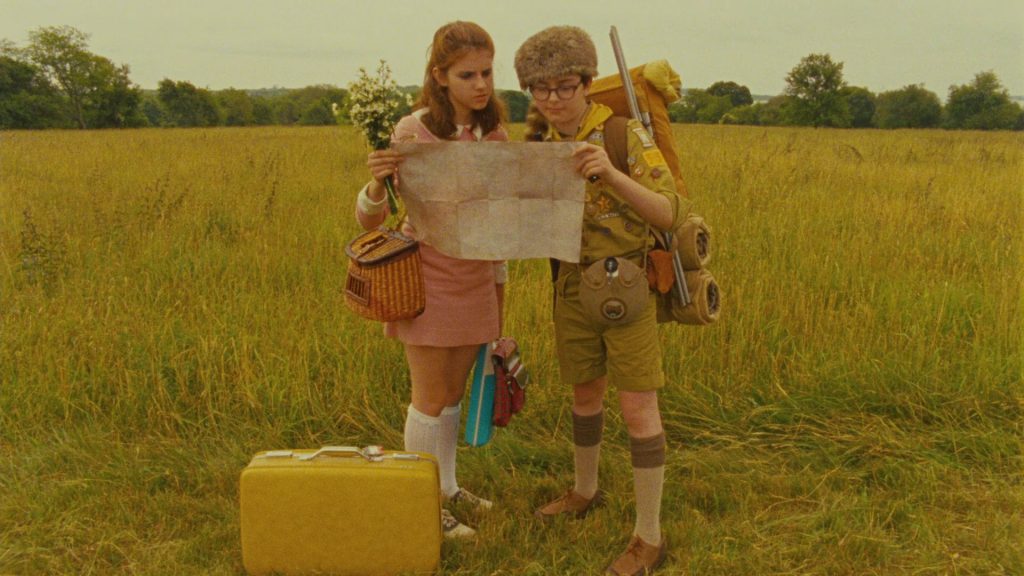
The 35mm focal length is one of the most popular in cinema, especially for capturing shots with a perspective close to human vision. Its field of view allows for capturing details with minimal distortion, making it an ideal choice for establishing a sense of realism without losing connection with the viewer.
Films such as Fight Club and Moonrise Kingdom leverage this focal length to create a visually natural atmosphere that connects the characters with their world in an authentic way, without the camera becoming an obstacle to the narrative.

50mm: Realism and Naturalness
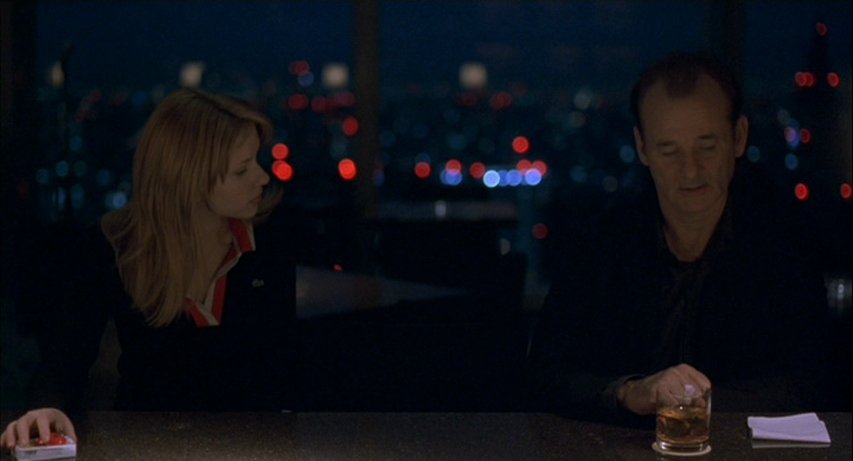
Known as the “standard focal length,” the 50mm offers a field of view similar to the human eye, allowing for an almost perfect representation of reality. This lens is used to emphasize realism and naturalness, providing a perspective in which the viewer can feel immersed in the action in a subtle yet effective way.
Films such as Lost in Translation and 12 Angry Men make use of this focal length to reinforce the emotional connection with the characters, especially in dialogue scenes where the relationship between individuals is essential. The 50mm becomes an extension of the human eye, allowing for a visual narrative that feels close and personal.
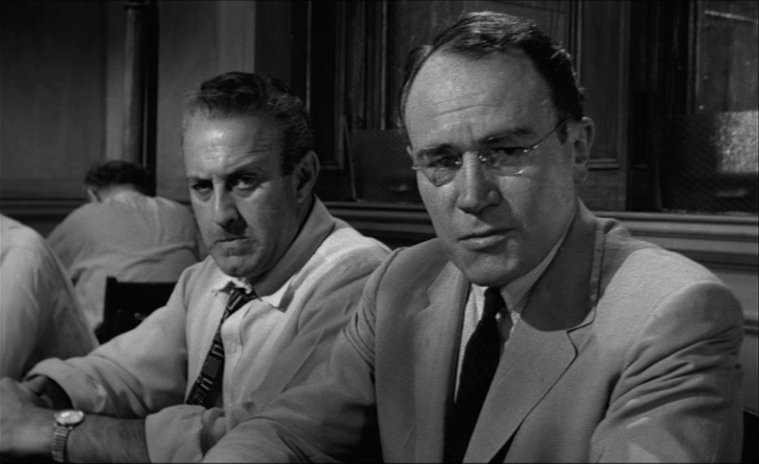
85mm: The Focus on the Subject
The 85mm is ideal when you want to highlight a subject, especially in close-up shots. Its ability to keep the background blurred and distant while maintaining the subject in focus makes it perfect for portraying intimacy and emotion in a scene. This lens is widely used in portraits and in moments where a clear separation between the subject and their environment is desired.
Films such as Schindler’s List and The Godfather exploit the 85mm’s ability to create a blurred background, making the characters stand out powerfully before the viewer. This focal length is key to creating an atmosphere of emotional focus, as if the camera were creating a world where the subject is the only point of attention.


Conclusion
Focal lengths are much more than simple technical tools: they are elements that can transform a story, focusing attention on what is most important and creating the perfect atmosphere for visual narrative. From the naturalness of 35mm to the emotional focus of 85mm, each focal length has a unique role in creating an immersive cinematic experience. For filmmakers, choosing the right focal length is key to conveying the story in the most effective way possible.
-
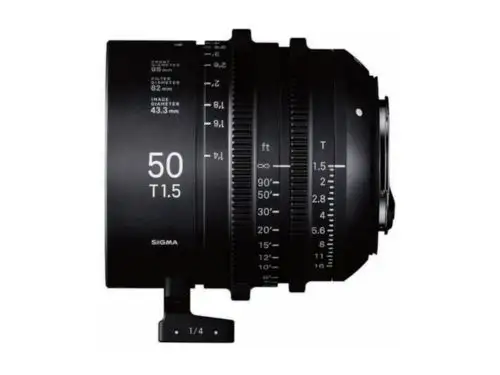
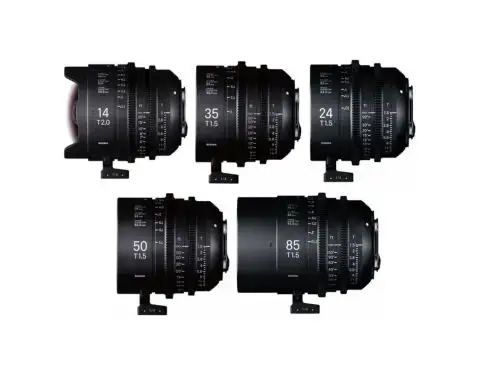
 Sigma 50mm T1.5 FF F/AP2 METRIC High Speed Prime PL LensStarting at: 33,75€
 -
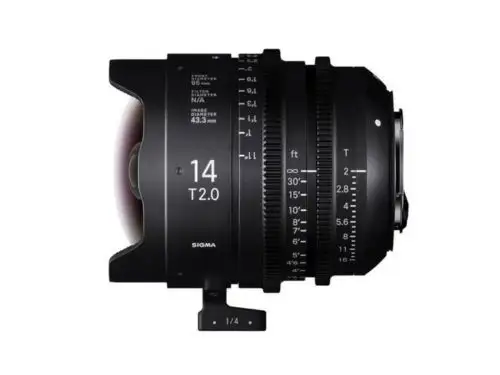
Sigma 14mm T2 FF F/AP2 METRIC High Speed Prime PL LensStarting at: 41,25€
-
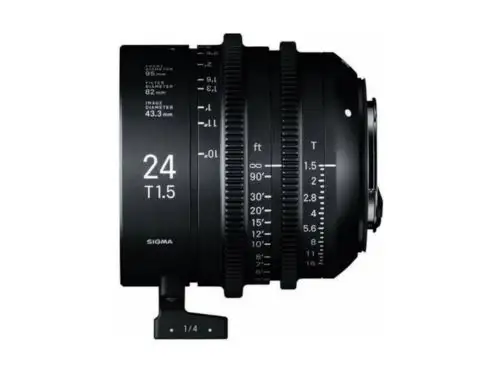
Sigma 24mm T1.5 FF F/AP2 METRIC High Speed Prime PL LensStarting at: 33,75€
-
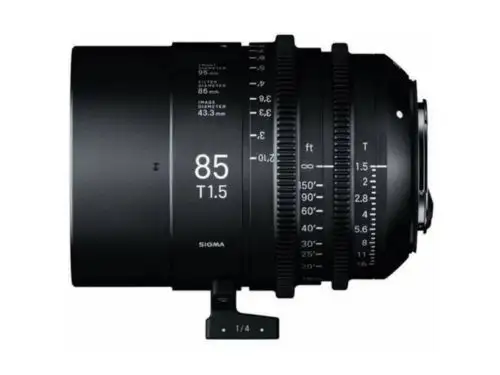
Sigma 85mm T1.5 FF F/AP2 METRIC High Speed Prime PL LensStarting at: 33,75€
-
Kit of 5 Sigma FF F/AP2 METRIC High Speed Prime PL Lenses: 14mm, 24mm, 35mm, 50mm, 85mmStarting at: 150,00€